

Luck Isn’t a Strategy: Why Every Organization Needs an ISMS
Turning near-misses into never-again moments with systems that protect what matters most
What Exactly Is an ISMS?
In one of our recent posts, we previously shared how a nonprofit nearly sent $35,000 to buy 500 singing fish wall plaques because a cybercriminal had slipped into the email accounts of senior leaders and approved a fake invoice. The only thing that saved the organization was a sharp-eyed Treasurer who paused and questioned the unusual purchase.
That story was funny in hindsight, but it could have been devastating. And it highlights why organizations need more than just trust and good intentions. They need a system. That’s where an Information Security Management System (ISMS) comes in.
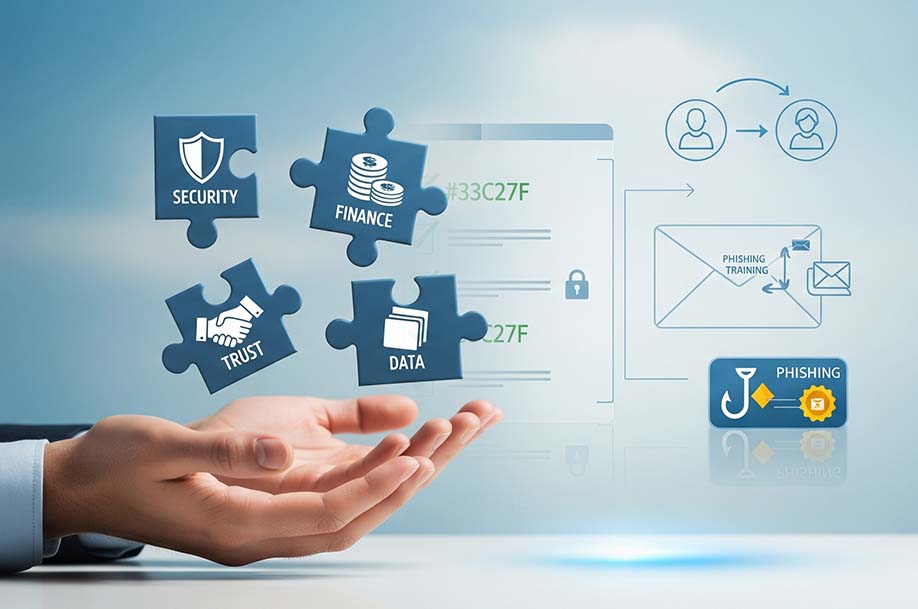
At its core, an ISMS is a framework of policies, processes, and controls designed to protect an organization’s sensitive information. Think of it as a structured way to manage risks, covering not just technology, but also people and processes.
Instead of leaving information security to chance, an ISMS provides a systematic approach to protect your digital assets and asks questions such as:
- Who is allowed to access what information?
- How do we verify requests are legitimate?
- What checks and balances prevent a clever scam from slipping through?
- How do we continuously improve as threats evolve?
In the case of the nonprofit, an ISMS could have included rules like dual verification for unusual payments, mandatory training on phishing attacks, and regular monitoring of email security. These controls turn what might otherwise be a lucky catch into a reliable, repeatable safeguard.
Most importantly, an ISMS isn’t just about avoiding worst-case scenarios like data breaches or financial fraud. It also builds trust with customers, partners, and regulators, showing that your organization takes data protection seriously. It’s about empowering your organization, giving staff the clarity and confidence to handle information responsibly, so that opportunities can be pursued without fear of security blind spots.
Cybercriminals will always look for creative ways to exploit the unprepared. An ISMS ensures that you aren’t one of them. It transforms security from a patchwork of reactions into a culture of prevention.
Many industries and governments now require organizations to adopt formal information security practices, often aligned with the global standard ISO/IEC 27001.
According to Hoxhunt’s Phishing Trends Report (Updated for 2025), more than a staggering 64% of organizations reported business-email-compromise (BEC) attacks in 2024. In 2025, according to ThreatCop, that number rose to nearly 79%, a clear sign that email-based attacks are rapidly escalating.
After all, if a fake invoice for 500 singing fish can nearly slip through, imagine what else could…unless you have an ISMS that turns lucky saves into lasting safeguards.